Beyond the Metros: Niche Markets in Rural Japan
Escape the city crush and discover the untapped potential of rural Japan. Learn about emerging sectors, government incentives, and the unique business opportunities waiting for foreign entrepreneurs in Japan's beautiful countryside.
5 min read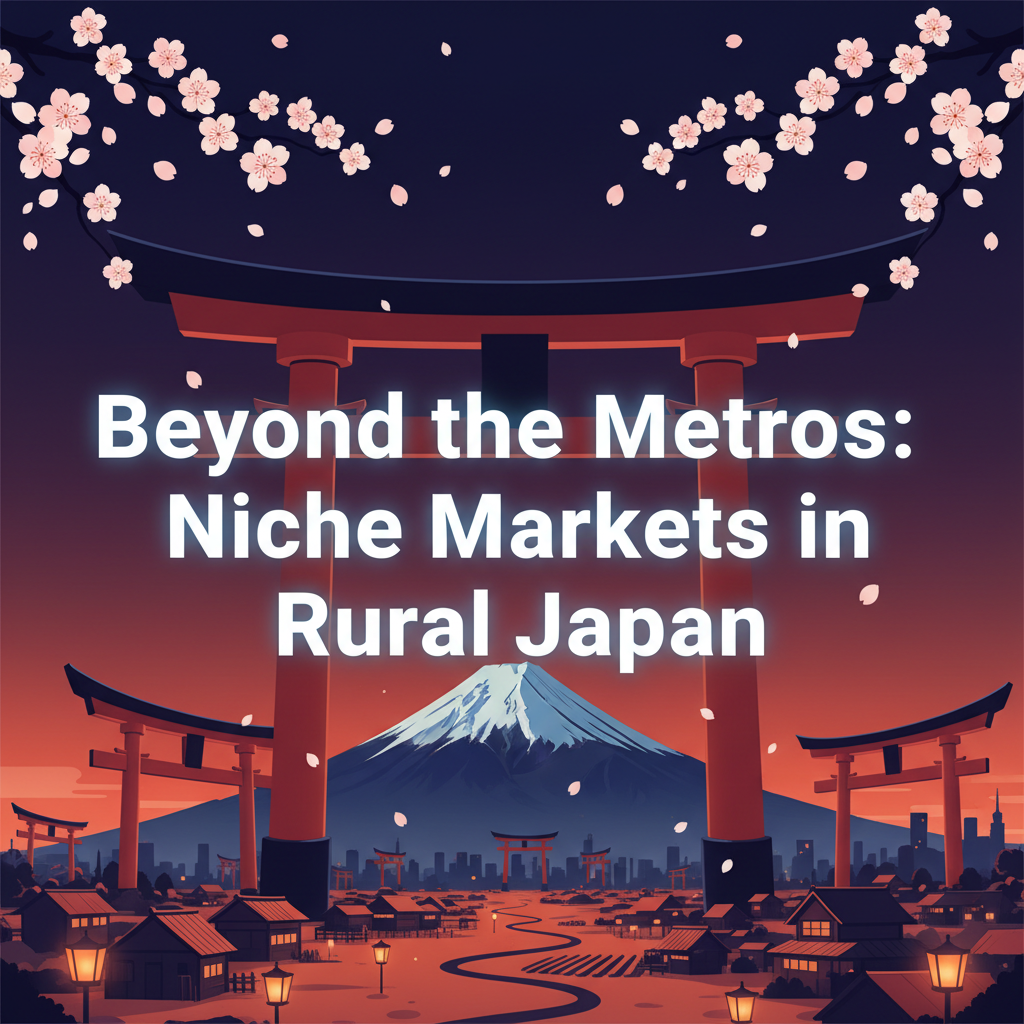
When foreign entrepreneurs dream of launching a business in Japan, their minds often jump to the dazzling skylines of Tokyo or the vibrant streets of Osaka. While these metro areas are economic powerhouses, they are also hyper-competitive and incredibly expensive. But what if the greatest opportunities lie where few are looking? In the quiet towns and verdant landscapes of rural Japan, a different kind of entrepreneurial journey awaits—one filled with untapped markets, strong community support, and a quality of life that a city can't match.
This guide will illuminate the path less traveled, exploring the unique advantages and challenges of starting a business in what the Japanese call "inaka" (countryside).
The "Why": Unpacking the Potential of Rural Japan
The Japanese government is actively working to revitalize regional economies, creating a fertile ground for new businesses. This push has unlocked a wealth of incentives and advantages that you won't find in the big cities.
- Lower Operating Costs: Imagine your startup capital going twice as far. Office and residential rents in rural areas can be a fraction of what you'd pay in a major city, drastically reducing your burn rate.
- Generous Government Incentives: Many prefectures and municipalities offer subsidies, tax breaks, and grants for individuals willing to relocate and start a business. Some even provide support for housing and renovation of traditional homes (kominka).
- Reduced Competition: By targeting a niche market in a regional area, you can often become the go-to provider, building a loyal customer base without the constant pressure from established giants.
- Enhanced Quality of Life: Swapping a crowded commute for a scenic drive, enjoying fresh local produce, and becoming part of a tight-knit community can lead to a more balanced and fulfilling life.
Hotbeds of Opportunity: Promising Sectors for "Rural-preneurs"
While you can run many types of businesses from anywhere, several sectors are particularly well-suited for a rural Japanese setting.
- Niche Tourism & Hospitality: Move beyond the standard tour bus routes. Think boutique farm-to-table restaurants, cycling tours through rice paddies, craft workshops (pottery, indigo dyeing), or renovating a kominka into a luxury guesthouse. Foreign-led businesses can offer a unique perspective that appeals to international and domestic tourists alike.
- Agri-Tech and Specialty Foods: Combine Japan's rich agricultural heritage with modern technology. There are opportunities in smart farming, developing organic products for export, or creating high-value processed goods like craft beer, artisanal cheeses, or specialty jams using local fruits.
- Tech and Remote Work Hubs: With high-speed internet now common even in remote areas, why not base your tech startup in a low-cost environment? Establish a satellite office, a co-working space for digital nomads, or a software development company and enjoy the low overhead.
- Wellness and Elderly Care: Japan's aging population is most prominent in rural regions. This creates a demand for innovative wellness services, accessible home-care solutions, and community-focused recreational facilities for seniors.
Look for regions with a "Chiiki Okoshi Kyoryokutai" (Regional Revitalization Cooperator) program. This government initiative places individuals in rural areas to assist with local projects and can be a fantastic gateway to understanding community needs and business opportunities.
Navigating the Challenges: A Realistic Look
While the opportunities are exciting, a move to rural Japan isn't without its hurdles. Being prepared is key to a smooth transition.
Community Integration: Business in rural Japan is built on relationships. Success depends on more than just a solid business plan; it requires active participation in local life. Attending festivals, joining the local chamber of commerce (商工会, Shōkōkai), and simply shopping at local stores can make a huge difference. Your role as a community member is as important as your role as a business owner.
The Language Barrier is Real: While you might get by with English in Tokyo, it's a different story in the countryside. A conversational to fluent level of Japanese is often essential for negotiating with local suppliers, dealing with municipal offices, and building trust within the community.
Logistics and Infrastructure: Depending on your business, you may face challenges with supply chains, transportation, and access to a diverse talent pool. Thoroughly research the infrastructure of any potential location to ensure it can support your business operations.
Your Roadmap to Success: First Steps
Feeling inspired? Here’s how to start your journey.
- Research, Research, Research: Don't just pick a spot on the map. Research different prefectures and their specific economic strengths and incentive programs. Does one region specialize in grapes? Is another known for its woodworking? Align your business idea with the local character.
- Hit the Road: Once you have a shortlist, spend time in those areas. Stay for a week, not just a day. Talk to local business owners, visit the town hall, and get a feel for the pace of life. Is it a good fit for you personally and professionally?
- Connect with Local Hubs: Contact the local Chamber of Commerce (Shōkōkai) and municipal government offices. They are your best resource for on-the-ground information about available support, vacant properties, and the specific needs of the community.
- Build a Financial Plan: Create a detailed budget that accounts for both business and living expenses. Research national and prefectural grants for new businesses (e.g., the Subsidy for Business Start-up and Succession - 事業承継・引継ぎ補助金).
Conclusion
The path of a rural entrepreneur in Japan is one of immense challenge but also incredible reward. It offers a chance to build something truly unique, to breathe new life into a community, and to create a business that is deeply integrated with its surroundings. For the entrepreneur who values community over competition and who sees opportunity where others see only quiet, the Japanese countryside is waiting.